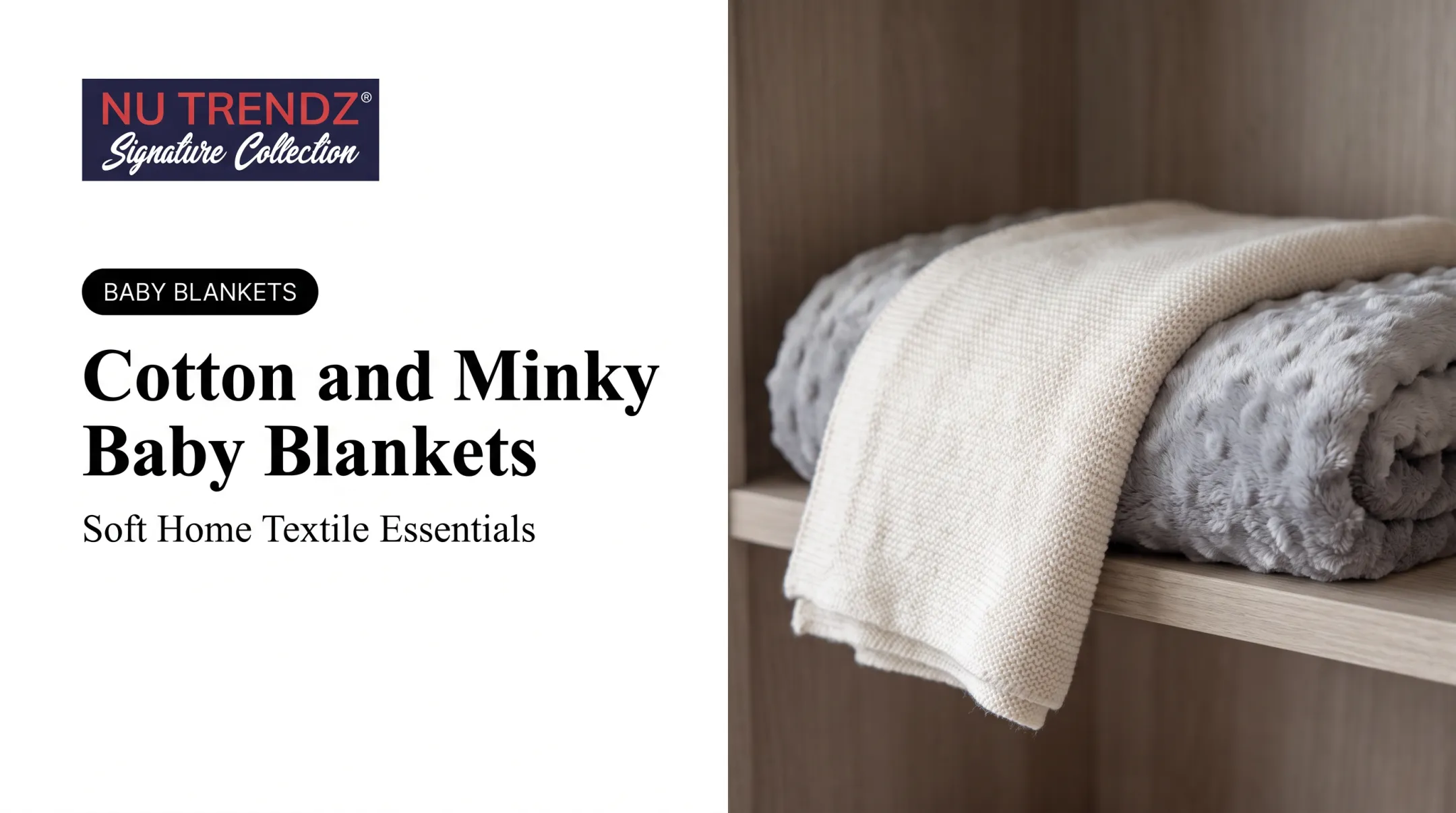

The right pick depends on more than "which is softer." Texture, insulation, weight, care routine, and even how the blanket looks all factor in. Minky is a 100% polyester microfiber knit, prized for its smooth, plush hand feel Shannon Fabrics. Sherpa fleece, by contrast, is typically knitted and brushed polyester designed to mimic curly wool Starke Textile. This guide breaks down how they compare so you can match the blanket to the person, room, or season it's meant for.
Key Takeaways
- Minky feels smoother and lighter: ideal for year-round lounging and detailed prints.
- Sherpa fleece runs fluffier and more insulating, so it wins for cold rooms and winter bedding.
- Pile height, backing, weight, and care instructions affect the actual experience more than the material name alone.
- Match your pick to what you value most: softness, warmth, breathability, easy care, or custom design.
Minky vs Sherpa Fleece Blankets: Quick Comparison
Texture and Hand Feel
Minky has a dense, velvety pile that feels ultra-soft and smooth against skin. Many versions add embossed patterns, dots, or stripes for visual texture without changing the smooth feel.
Sherpa fleece feels closer to wool: fluffy, curly, and substantial. The pile sits higher off the surface, giving it a cushioned, textured touch rather than a flat glide.

Warmth and Breathability
Minky offers comfortable warmth without bulk, though breathability varies by pile height and weight. Sherpa's loft traps more air, so it usually insulates better Starke Textile. A heavier sherpa blanket can still run too warm for some bedrooms or sleepers.
Weight and Bulk
- Minky tends to work well as a lightweight throw or travel blanket.
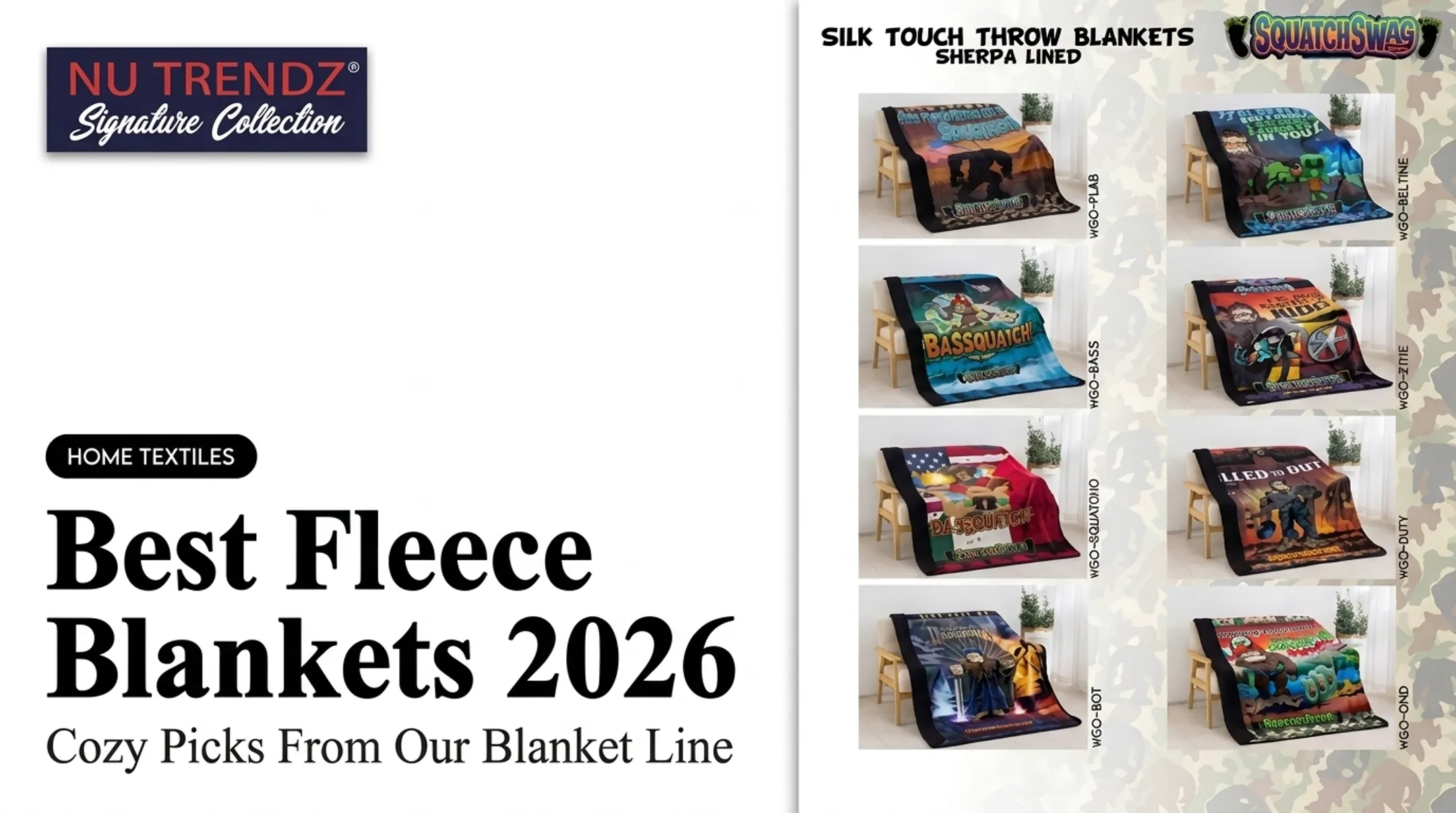
- Sherpa feels thicker due to its pile, especially in double-layer or lined styles such as Silicon Valley Textiles silk-touch throws with sherpa lining.
Care and Durability
Minky needs gentle handling to keep the pile from flattening Shannon Fabrics:
- Cool wash with mild detergent
- Skip fabric softener
- Short, no-heat tumble dry
Sherpa can mat or flatten under high heat, so check the care label instead of assuming standard settings are safe.
Best Overall Use
- Minky: decorative throws, kids' blankets, personalized gifts, year-round comfort.
- Sherpa: winter bedding, cold rooms, outdoor events, pet beds.

What Are Minky and Sherpa Fleece Blankets?
What Is a Minky Blanket?
Minky is a plush polyester microfiber textile. The name has nothing to do with actual mink fur. Its dense knit pile creates that signature silky feel, and manufacturers produce it in smooth, embossed, dotted, printed, and double-sided varieties Shannon Fabrics.
Benefits and trade-offs:
- Soft, smooth skin contact
- Highly versatile for bright colors and detailed prints
- Comfortable warmth without excess bulk
- Can attract lint or static
- Requires gentle washing to preserve the pile
Use Cases of Minky Blankets
Minky shows up in lounge throws, children's blankets, gifts, decorative bedding, and personalized or themed designs. Buyers sourcing minky at wholesale should verify:
- Fiber content and pile height
- Blanket dimensions
- Printing method and colorfastness
- Edge finishing quality
- Wash instructions
- Sample quality before bulk ordering
What Is a Sherpa Fleece Blanket?
Sherpa fleece is a fluffy, wool-like synthetic fabric, usually polyester, made by knitting and brushing yarns into a curly pile Starke Textile. Many blankets pair sherpa on one side with a smooth fabric backing on the other. Silicon Valley Textiles' SquatchSwag throw uses this silk-touch-with-sherpa-lining construction.
The trapped air in sherpa's loft creates natural insulation and cushioning.

Benefits and trade-offs:
- Strong loft for insulation and cushioning
- Cozy option for cold-weather lounging
- Adds bulk and reduces airflow
- Can mat if washed or dried incorrectly
Use Cases of Sherpa Fleece Blankets
Sherpa fits cold-weather bedding, couch throws, camping trips, outdoor events, and pet products. A reversible minky-and-sherpa design offers a practical middle ground: smooth on one side, insulating on the other.
Minky vs Sherpa Fleece Blankets: What Is Better?
Neither material wins outright. The better choice depends on who will use it, your climate, the room, and how you actually use the blanket.
Softness and skin feel: Minky suits people who prefer a smooth, silky surface. Sherpa suits those who want a fluffy, cushioned texture instead.
Warmth, breathability, and weight: Sherpa's air-trapping structure generally makes it warmer, but hot sleepers or warmer climates may prefer minky's lighter feel. Neither material has a fixed temperature rating; construction and weight matter just as much as fiber type.
Maintenance and longevity: Both materials risk damage from high heat. Minky can flatten or lose its plush finish; sherpa can mat. Check wash and dry settings on the label rather than guessing.
Appearance and customization: Minky handles detailed prints, bright colors, and embossed effects especially well, which is a big reason it's popular for personalized fan merchandise. Sherpa is usually chosen for texture and warmth, not surface detail.
Situational Recommendations
- Choose minky for smooth softness, lighter layering, or colorful personalization.
- Choose sherpa for insulation, fluffy texture, or winter comfort.
- Consider reversible or lined designs, such as a silk-touch throw with sherpa lining, when you want both benefits in one blanket.
Real-World Example: Sherpa in Action
Good Housekeeping's 2025 throw blanket testing gave the Bedsure Sherpa Fleece Throw perfect scores for softness and comfort. Testers called it velvety on top with cozy sherpa underneath, and noted it held up well through the wash—warmth from the dual-layer build without a durability trade-off.
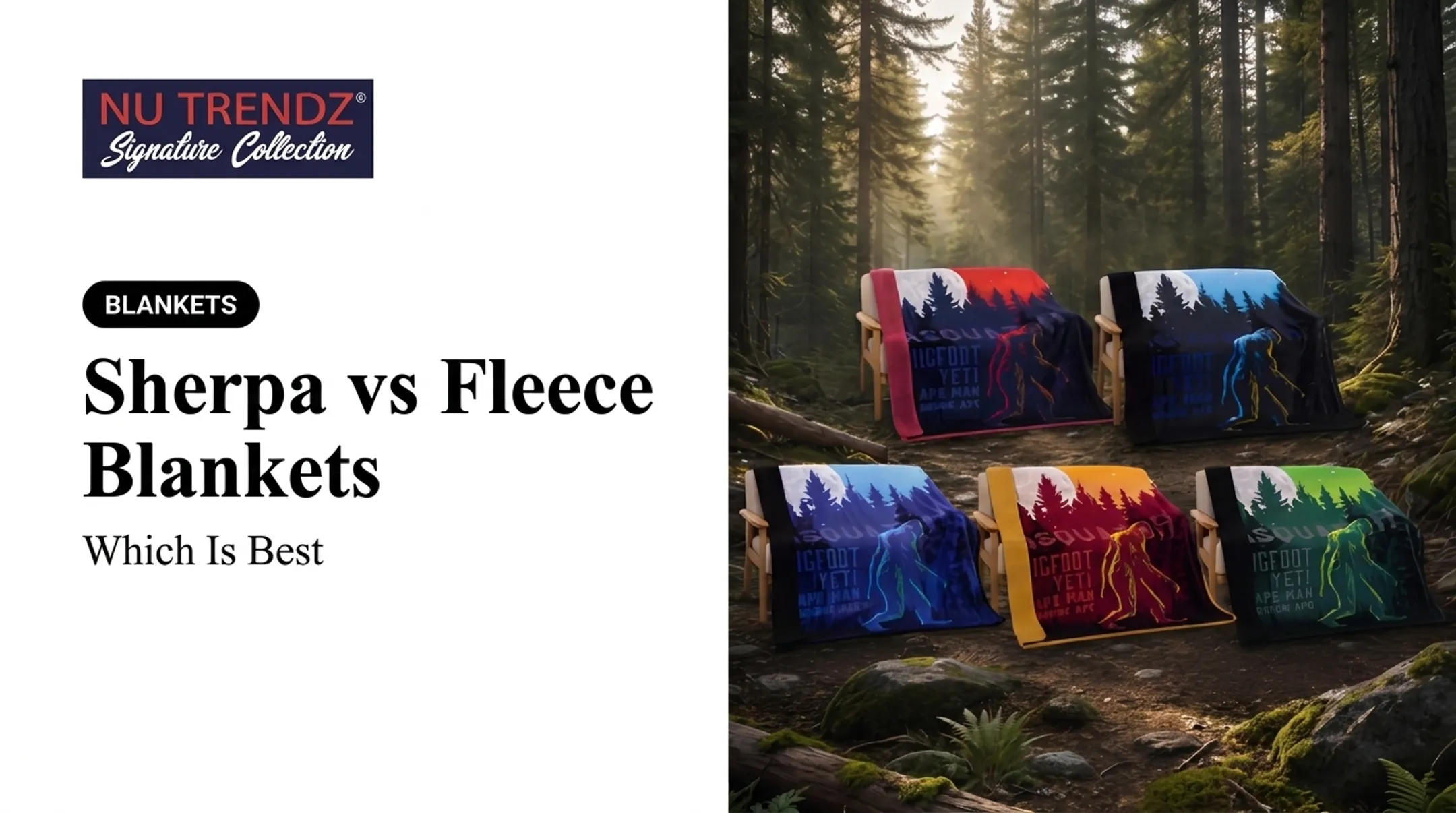
That same lined approach shows up in Silicon Valley Textiles' SquatchSwag Silk Touch w/Sherpa Lining Throw Blanket (item 4120):
- 50 × 60-inch throw
- Silk-touch face with sherpa lining
- Sasquatch and Bigfoot-themed prints
A smooth top layer handles hand-feel; the sherpa lining handles insulation. For sports, entertainment, soccer, or Bigfoot designs—or a custom build—browse Silicon Valley Textiles' textile options or email sales@siliconvalleytextiles.com.

Conclusion
Minky generally wins for smooth softness, flexible styling, and lightweight comfort. Sherpa fleece takes the edge for fluffy texture and stronger cold-weather insulation.
The material name is only a starting point. Pile height, backing, weight, and the care label decide how a specific blanket actually feels and holds up. Match those details to your climate, room, and how you use the blanket day to day.
Frequently Asked Questions
Which is better, minky or sherpa?
Minky usually wins for smooth softness and lighter comfort, while sherpa usually wins for thicker warmth. The better option depends on whether you want silky texture or maximum insulation.
Which is softer, sherpa or minky?
Minky offers a silky, smooth softness, while sherpa offers a fluffy, textured softness. Personal preference and fabric quality play a big role in the final feel.
Which is better, fleece or minky?
Minky is a plush, fleece-style textile, while standard fleece is often lighter and more breathable. Minky typically feels more luxurious against skin, while fleece may layer more easily.
Are minky blankets worth the hype?
Minky delivers soft skin contact, vibrant customization options, and comfortable warmth without bulk. The trade-offs include gentle care requirements and a tendency to attract lint or static.
Is sherpa fleece warmer than minky?
Sherpa is generally warmer because its loft traps more air than minky's flatter pile. Actual warmth still depends on pile height, backing, and overall blanket weight.
How should you wash minky and sherpa blankets?
Follow the care label first. Use a gentle cycle, mild detergent, and low heat or air dry. Avoid high heat, which can flatten or mat the synthetic fibers.