
The right pick depends on intended use, fiber content, weight, size, and how much washing it'll actually tolerate. A blanket for weekly movie nights needs different qualities than one meant as a decorative throw or a thoughtful gift.
This guide walks through needs-based recommendations, material comparisons, a practical buying checklist, styling ideas, and care tips. We'll also touch on decorative, personalized, and fan-themed options for shoppers buying beyond the basics.
Key Takeaways
- Match the blanket to its job: lap warmth, shared sofa use, bed layering, or decorative display
- Balance breathability, weight, durability, and cleaning needs—not softness alone—when judging quality
- Confirm dimensions, fiber content, construction, and care instructions before buying
- Pick colors, patterns, or personalization that fit the room or make the gift memorable
Best Cozy Winter Blankets and Throws for Every Need
Rather than crowning one "best" blanket, it helps to sort options by what you actually need them for.
For an Ultra-Soft Sofa or Lap Throw
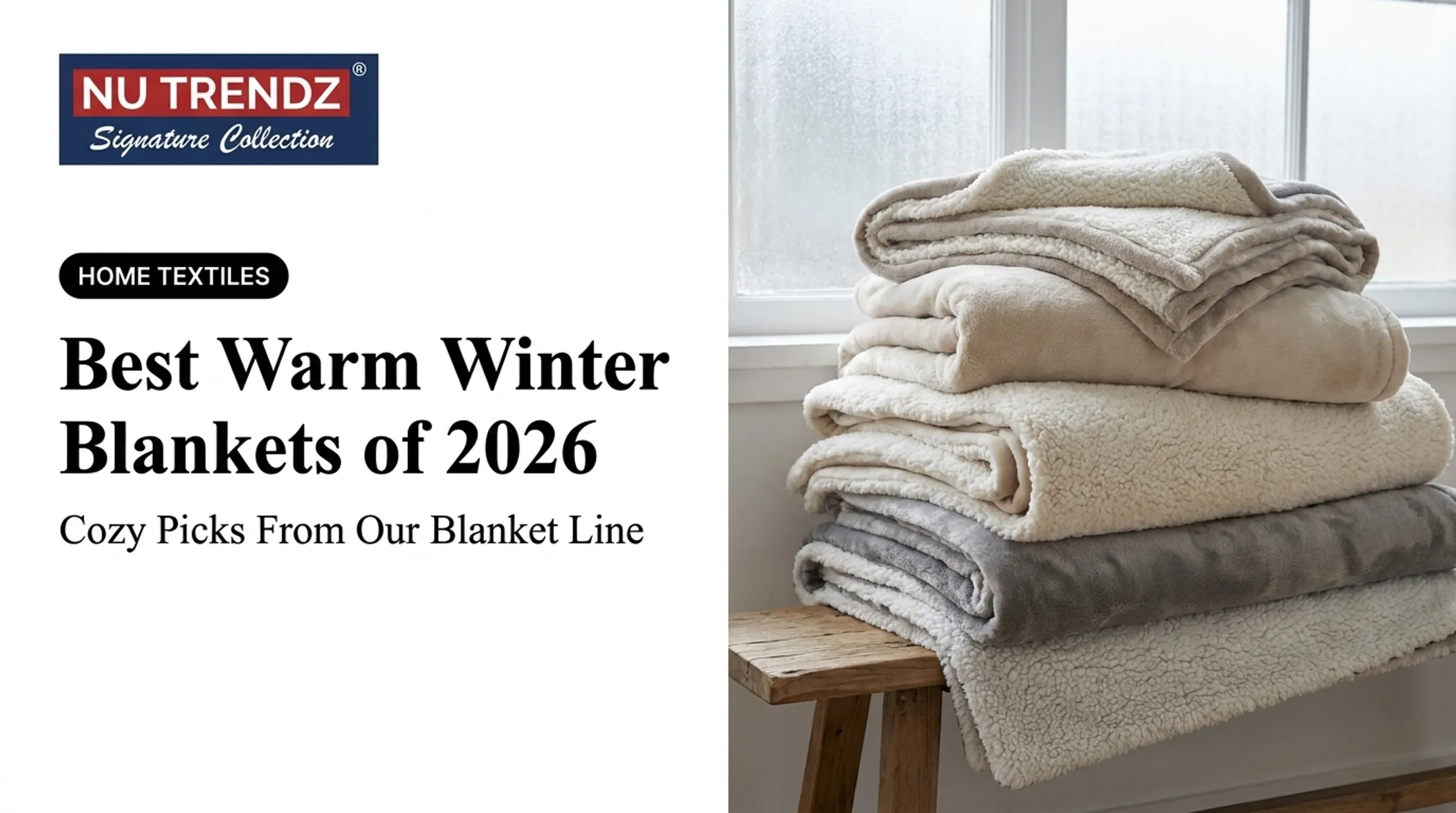
Fleece, plush, sherpa, and faux fur all feel soft at first touch, but they wear differently day to day. Fleece is a knitted, raised-surface fabric that traps warm air while staying breathable and quick-drying—a solid pick for regular handling. Sherpa is usually polyester or a polyester blend, brushed into a curly pile that holds heat well. When you compare options, check:
- Pile height and backing material
- Shedding and pilling risk over time
- How the blanket drapes when folded or draped
- Washing requirements on the care label Silicon Valley Textiles' Sherpa-lined throws come in the standard 50 × 60-inch size—a practical benchmark for lap or sofa use. The SquatchSwag line pairs silk-touch fabric with Sherpa lining in the same dimensions if you want that plush feel with more visual personality.

For Breathable Natural Warmth
Wool, merino, cotton, and alpaca suit shoppers who want warmth without feeling smothered. Each fiber handles heat and moisture a little differently:
- Wool / merino — Naturally breathable; absorbs and releases moisture vapor instead of trapping it. Woolmark testing found wool blankets beat cotton/acrylic blends on insulation and moisture handling, thanks to crimp that creates air pockets.
- Cotton — Soft and breathable; lofted or spacer weaves trap extra air without heavy weight.
- Alpaca — Lightweight, durable, and insulating, with moisture-wicking that suits rooms where the temperature swings.
For a Bed, Shared Sofa, or Extra Coverage
Standard throws (around 50 x 60 inches) work for one person on a couch. If you need more coverage:
- Oversized throws run roughly 70 x 80 inches — enough for two people or a solo stretch-out
- Twin/Twin XL blankets typically measure 65-68 inches wide by 86-92 inches long
- Full/Queen sizes range from about 86 x 92 to 92 x 96 inches
- King/California King options go up to 108 x 98 inches Measure your intended surface first, then add extra for drape or tucking. A blanket sized for a full bed will look skimpy on a king.

For Texture and Decorative Impact
Chunky knits, quilted patchwork, fringed edges, and bold prints turn a functional blanket into a room feature. Silicon Valley Textiles' quilted throws and quilt sets use rustic patchwork motifs—bears, trees, and plaid—in machine-washable, lightweight microfiber. The Native Heritage Collection takes a different route with Southwestern-inspired geometric patterns.
For Meaningful, Custom, or Fan-Themed Gifting
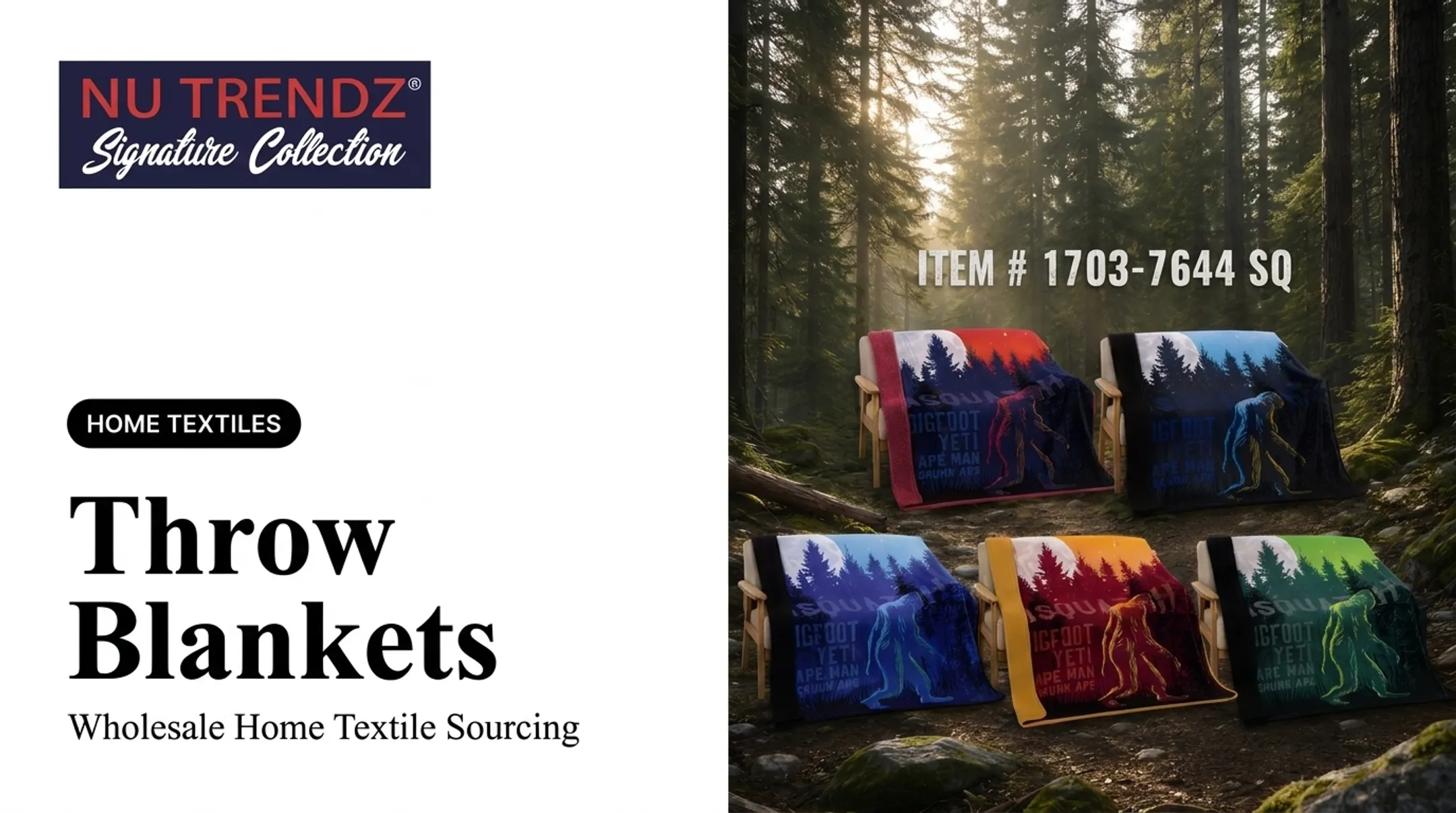
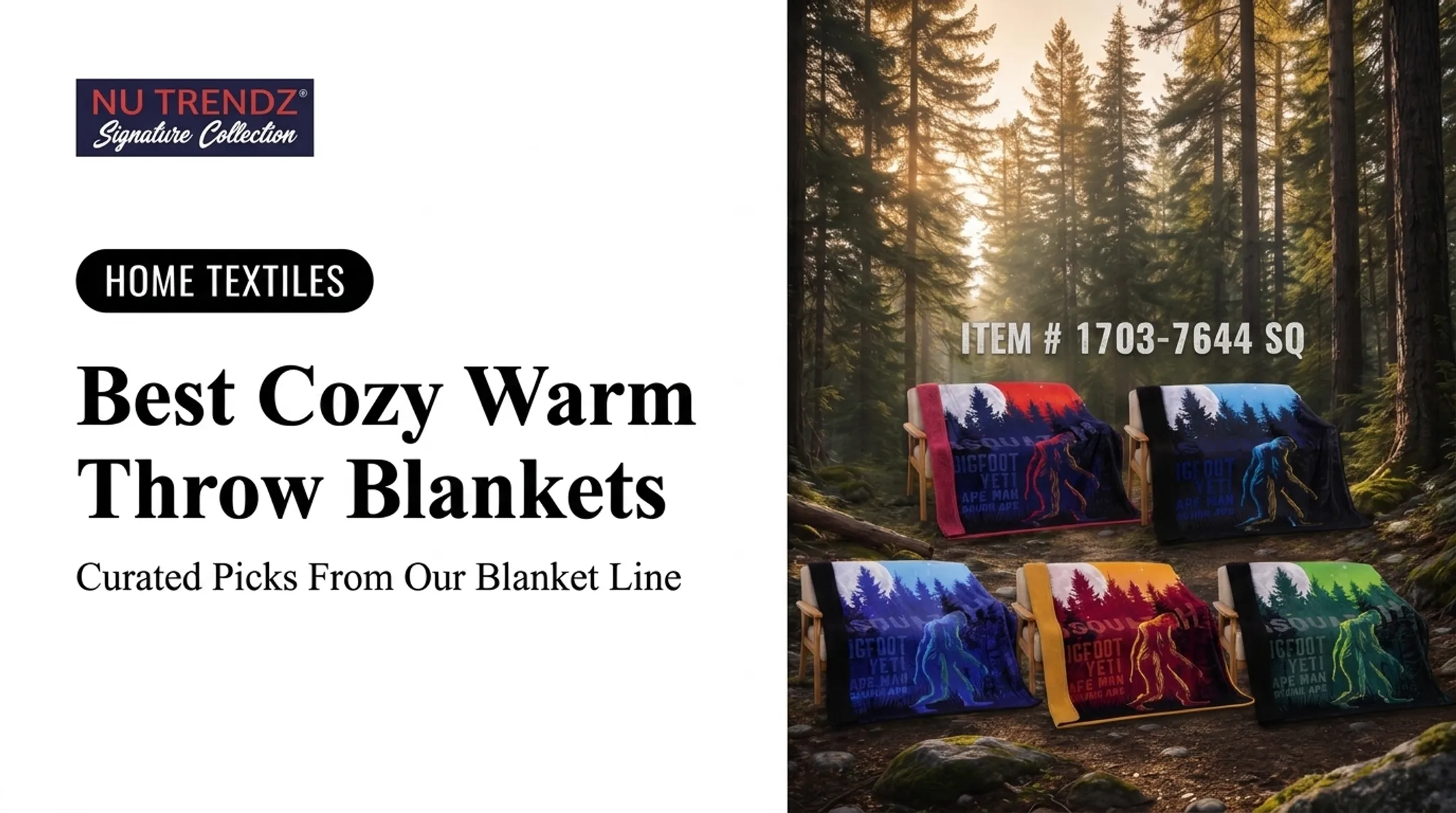
Personalized names, licensed artwork, and themed motifs shift a blanket from practical to memorable. Silicon Valley Textiles offers made-to-order custom blankets with vibrant printing through its NU TRENDZ Signature Collection, plus licensed sports blankets for the NFL, NBA, NHL, MLB, NCAA, MLS, and FIFA-related soccer lines. For something less common, the Sasquatch/Bigfoot line—including designs like "Squatch of Thrones" and "El Squatcho"—gives cryptid fans a gift most retailers don't stock.
Blanket Materials: Softness, Warmth, and Breathability
Fiber and construction decide how a throw feels on night one and how it holds up after washing. Use the comparisons below to match softness, warmth, and breathability to how you actually use the blanket.
Fleece, Plush, Sherpa, and Faux Fur
These synthetic textures deliver immediate softness, but they're not interchangeable. Compare loft, weight, static buildup, and shedding tendency: a low-pile fleece behaves very differently from a shaggy faux fur throw during washing and daily use. Always verify the manufacturer's care guidance rather than guessing based on feel alone.
Cotton and Recycled Cotton
Cotton appeals to shoppers wanting a lighter, more breathable layer that works across seasons, not just winter. Keep in mind that fiber content, weave, and finish are separate variables. A "recycled cotton" claim tells you about sourcing, not necessarily softness or thickness.
Wool and Merino
Wool insulates well and breathes, but quality varies widely by grade and blend. Some wool blankets feel itchy against skin; merino grades tend to feel softer. Watch for:
- Felting risk with improper washing
- Specialized laundering needs (Woolmark recommends washing wool blankets sparingly)
- Odor retention differences between grades
Cashmere, Alpaca, and Mohair
These premium fibers command higher prices and need closer label-reading. GOBI Cashmere, for example, treats woven cashmere blankets as dry-clean-only, distinct from knitted cashmere sweaters that might tolerate gentler home washing. Don't assume luxury fiber automatically means durability. Check fiber percentage and construction before paying a premium.
Knits, Quilts, and Woven Constructions
Construction is a separate question from fiber. A chunky knit, a quilted layer, and a tightly woven throw can produce very different warmth and drape, even from similar fibers. A lofted, open-pile design can trap more insulating air than a denser flat fabric, so don't rely on weight (GSM) alone when comparing across different constructions.

How to Choose the Right Winter Blanket or Throw
Match the Size to the Intended Use
Before buying, ask what coverage you actually want:
- Lap throw — 50 x 60 inches typically covers knees to shoulders while seated
- Single-person sofa layer — similar dimensions, prioritize easy folding
- Shared couch blanket — look toward oversized throws (70 x 80 inches or larger)
- Bed cover — match to your mattress size, adding extra for side drop
- Travel blanket — smaller and lighter for portability
Set Priorities for Warmth, Weight, and Breathability
Size narrows your options, but comfort preferences narrow them further. Choose a loftier, heavier option if maximum warmth matters most. Pick a lighter, breathable layer if you run warm at night. If tactile comfort is your top priority, focus on soft-touch finish over everything else — but check that softness doesn't come at the cost of excessive shedding.
Check Construction and Finishing Details
Once you've settled on warmth and feel, look closer at how the blanket is built. Inspect these before buying:
- Seams and stitching — loose threads suggest future unraveling
- Edging and binding — a fully enclosed edge resists fraying better than a raw one
- Fringe and tassels — decorative but more exposed to snagging during washing
- Reversible sides — useful for versatility, but check both sides' care needs

Read the Full Product Information
Construction quality only tells part of the story — the product listing fills in the rest. Before checking out, confirm:
- Fiber content and blend percentages
- Exact dimensions (not just the size label)
- Washing and drying instructions
- Return policy and shipping timeline
- Color accuracy in photos versus reviews
Choose a Color and Design That Will Remain Useful
With size, feel, construction, and care sorted, the final decision comes down to style. Neutrals layer easily with existing décor and rarely go out of style. Patterns and themed designs create a focal point but demand more commitment. Consider whether the throw needs to work year-round or if it's purely a winter piece.
Ways to Style Cozy Throws for Winter
Layer Sofas and Chairs Without Creating Clutter
- Fold a throw over an armrest
- Drape it loosely over a chair back
- Stash a few in a woven basket nearby
One patterned throw against simple cushions reads as intentional; three competing patterns just look busy.
Create a Warm-Looking Bed or Reading Nook
Place a folded blanket across the foot of the bed, or drape one beside a reading chair.
Coordinate its texture or accent color with nearby pillows, rugs, or curtains rather than matching everything exactly.
Use Texture and Color Intentionally
- Chunky knits add dimension to flat, neutral rooms
- A single bold print anchors a small space without overwhelming it
- Fringe and tassels catch light and add movement to plain seating areas
How to Care for Winter Blankets and Throws
Follow the Fiber-Specific Washing Instructions
Always check the sewn-in care label before washing, drying, or spot-cleaning. Wool, cashmere, mohair, faux fur, and printed textiles often need different approaches. A method safe for polyester sherpa could damage a wool blend.
Reduce Pilling, Shedding, Fading, and Snags
- Wash on gentle or delicate cycles unless the label states otherwise
- Use mild detergent, skip fabric softener on synthetic pile fabrics
- Avoid high heat drying unless specifically permitted
- Handle fringe and tassels carefully during washing to prevent tangling
Store Blankets Properly Between Seasons
Clean and fully dry blankets before storing them. A few storage habits help them last season to season:
- Use a breathable container, not a sealed plastic bag
- Keep lofty and animal-fiber materials dry to limit odors and moths
- Check periodically for loose stitching or pest damage before winter use
Frequently Asked Questions
What is the best cozy winter blanket?
The best pick depends on intended use, warmth preference, softness, breathability, size, and care routine. A sherpa throw suits movie nights, while a merino wool blanket suits breathable overnight warmth.
What is the softest blanket I can buy?
Plush, faux fur, sherpa, fleece, cashmere, and alpaca all rank high for softness, but tactile feel varies by construction, finish, and personal sensitivity. Check reviews or feel a sample before committing to premium fibers.
What is the softest fabric for a throw blanket?
Synthetic plush fabrics often feel immediately soft and cost less, while natural luxury fibers like cashmere offer a different texture at a higher price. Always check the actual fiber blend, not just the marketing description.
What are big, fluffy or soft fuzzy blankets called?
Common retail terms include plush, sherpa, faux fur, shaggy, fleece, and minky. These names typically describe texture and pile style rather than a specific fiber content, so check the label for actual materials.
What is the difference between a blanket and a throw?
Blankets are usually larger and meant for full bed coverage, while throws are smaller and often more decorative, used on sofas or at the foot of a bed. Retailers use these terms loosely, so always check listed dimensions.
How do I choose a winter blanket that will not make me overheat?
Look for breathable fibers like cotton or lighter wool blends, and consider a lighter-weight construction over sheer thickness. Layering a lighter blanket with room temperature adjustments often works better than one heavy, dense option.